ENGLISH VERSION (please scroll down below)
THE MUSICWAY MAGAZINE
_________
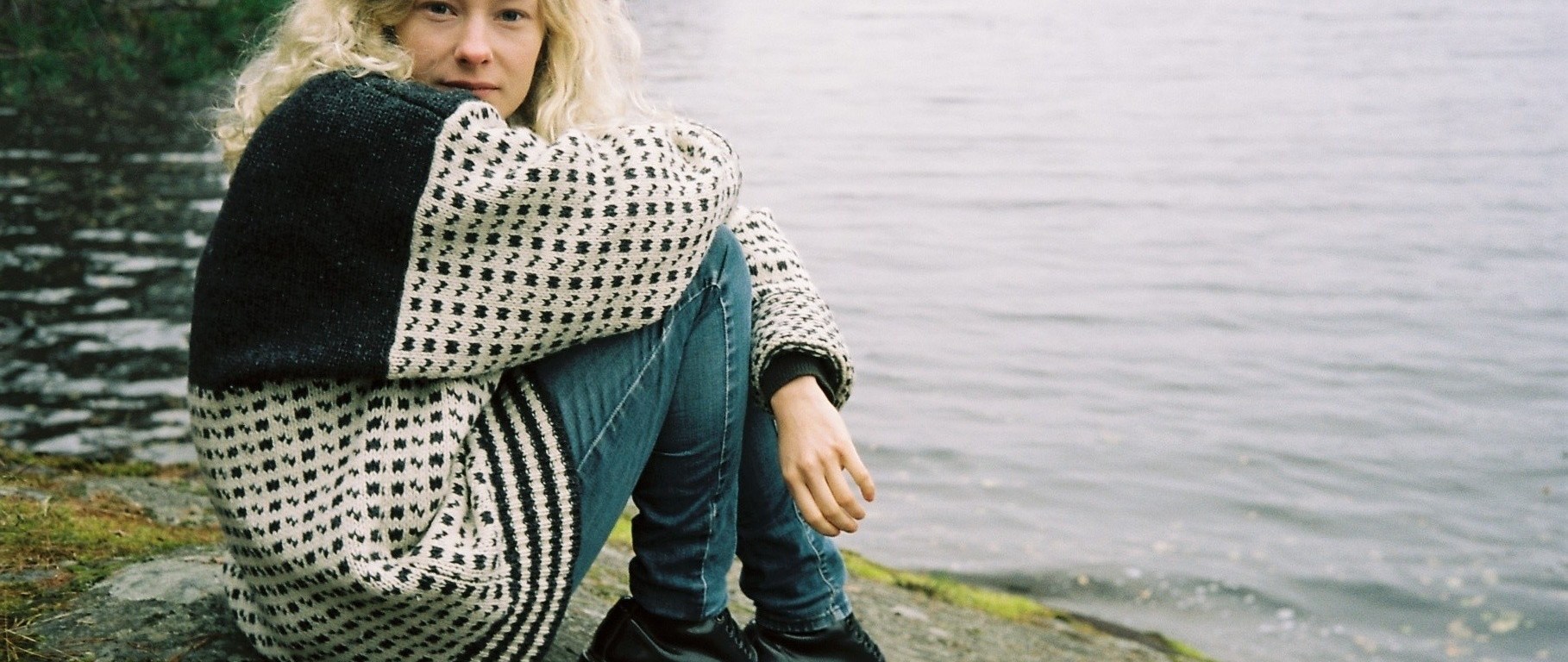
INTERVISTA A SOFIA NYSTRAND
Benvenuta, la ringraziamo per questa intervista concessaci.
- Quando hai iniziato a comporre – e quali o chi erano le tue prime passioni e influenze?
Ho iniziato a scrivere musica piuttosto tardi, credo intorno ai 20 anni. Comporre è stato qualcosa che ho sempre voluto fare, ma ero davvero insicura e non pensavo di farcela. Quando finalmente ho iniziato sono stata ispirata da molta musica folk scandinava, dall’Orchestra Cinematografica e da molti gruppi islandesi, specialmente gli Amiina. Ma la mia fonte ispiratrice è data anche dall’ambiente che mi circonda, dalle storie, dalle immagini e dalla natura.
- Quali sono, personalmente, i momenti incisivi del tuo lavoro e/o della tua carriera?
Non sono sicura di avere dei momenti veramente “grandi” nella mia carriera da menzionare, ma penso che ci siano state delle scelte che hanno cambiato molto il percorso della mia carriera musicale. La prima è stata quella in cui io e il mio collaboratore Jakob Lindhagen partimmo per il nostro primo tour europeo. Non sapevamo bene in cosa ci stessimo cacciando nel momento in cui abbiamo fatto le valigie e lasciato Stoccolma in uno stile decisamente fai-da-te, ma è stata una grande esperienza. Abbiamo incontrato così tante belle persone, sia il pubblico che gli organizzatori e penso che questo mi abbia fatto avvicinare moltissimo al panorama della musica classica contemporanea. A parte questo devo dire che l’uscita del mio nuovo album “Hav” rappresenta per me un passo importantissimo. Quando pubblicai il mio primo EP lo feci completamente da sola e la voglia di pubblicarlo venne dalla frustrazione e dal bisogno di poter provare a me stessa che avrei potuto finire e pubblicare qualcosa dopo alcuni tentativi falliti in diverse band. Pubblicare “Hav” è stata un’esperienza molto diversa, non solo perché stavo pubblicando il disco con l’etichetta discografica Piano and Coffee, ma anche perché mi sono sentita particolarmente orgogliosa del lavoro svolto sia come compositrice ma anche come musicista e produttrice.
- Puoi dirci qualcosa in merito alla tua ultima uscita?
Ho pubblicato il mio album “Hav” per la Piano And Coffee Records ad aprile. È un concept album che circonda il mare (Hav in svedese significa mare), sono cresciuta in una piccola città costiera e l’oceano mi ha sempre affascinato, in quanto ci ha dato così tanta vita ma al tempo stesso riesce a riprendersela in un istante. Mi sono anche ispirata alle storie popolari svedesi che parlano dell’acqua e a temi più attuali come la migrazione sui mari. È il mio primo album in studio. Sono davvero felice del risultato finale, non soltanto per le singole tracce, ma anche per il tema che caratterizza l’intero album e il modo in cui le composizioni sono state realizzate. Inoltre sono anche felice di essere riuscita a pubblicare il disco su vinile, un qualcosa che per me ha rappresentato un sogno diventato realtà.
- Cosa significano per te improvvisazione e composizione e quali sono, per te, i loro rispettivi meriti?
Sicuramente faccio più composizione che improvvisazione, scrivo le mie canzoni e poi le suono cercando di non stonare troppo, haha!. Per quanto riguarda l’improvvisazione ho sempre avuto un po’ paura e soprattutto improvvisare in un gruppo!. La prima volta ho iniziato a suonare la sega musicale, questo mi ha davvero aperto un nuovo mondo e mi ha reso più incline all’improvvisazione. In ogni caso penso che l’improvvisazione sia la chiave di partenza e il fulcro di tutti i pezzi composti.
- Il ruolo del compositore è sempre stato soggetto a cambiamenti. Qual è la tua opinione in merito ai compiti (ad esempio politico/sociale/creativo) dei compositori di oggi e come cerchi di raggiungere questi obiettivi nel tuo lavoro?
Penso che il ruolo del compositore contemporaneo oggi sia quello di uscire dal “carillon classico” e trovare un nuovo pubblico che normalmente non ascolta la musica classica ma che può tuttavia apprezzare la musica classica contemporanea. È un’epoca così stimolante, ricca di iniziative e brani musicali interessanti del quale mi sento davvero orgogliosa di far parte. Inoltre sono lieta di sentire che alcune compositrici stanno guadagnando l’interesse e il rispetto che meritano in questa scena ancora molto maschile. Per me è importante poter ritrovare la mia identità nelle mie opere, mentre mi diverto a comporre. Ritengo di essere stata ben accolta in questo ambiente, sebbene la mia musica possa essere qualcosa che finisce tra i generi piuttosto che in uno specifico. Cerco anche di porre un qualche tipo di pensiero ambientale in quello che faccio, traendo ispirazione dalla natura e penso che sia necessario affrontare il fatto che il nostro pianeta sta soffrendo.
- Quali strumenti utilizzi per comporre la tua musica?
Normalmente comincio semplicemente con il pianoforte, la voce e poi immagino che ci siano altre sonorità sovrapposte. A seconda della canzone, la provo e vedo cosa funziona oppure inizio a registrarla e provarla con gli strumenti che ho pianificato, a volte si rivela eccezionale proprio come l’ho immaginata e altre volte non sono così fortunata e devo ricominciare da capo con nuove idee. Considero il processo di registrazione come parte del processo di composizione, e le incisioni finali come le mie creazioni finali. Per quanto riguarda l’album che ho realizzato di recente ho registrato principalmente a casa, su un bellissimo pianoforte verticale svedese Malmsjö vecchio di 100 anni e poi ho registrato con un organo a pompa, col timpano e un coro in altri posti a Stoccolma.
- Come pensi che le composizioni contemporanee possano raggiungere l’attenzione di un pubblico più ampio?
Ci troviamo di fronte ad un momento di grande stress e bisogno di relax, moltissime persone amano ascoltare questo genere musicale mentre svolgono altre attività. Almeno questo è ciò che posso constatare quando guardo le infinite versioni di “Calm music” – le playlist che sono presenti su Spotify, e il numero di ascoltatori che le ascoltano. Sfortunatamente questi ascoltatori non sono realmente interessati agli artisti, e non guardano oltre le playlist. Non credo che la parte più importante sia quella di riunire un grande pubblico, ma di ottenerne uno che si diverte molto con la musica e si prende cura degli artisti, e ottenere quel collegamento è qualcosa che potrebbe essere fatto attraverso concerti dal vivo. Ecco perché io e Jakob Lindhagen (il mio collaboratore e co-produttore di Hav) insieme a Fabian Rosenberg (l’uomo dietro il progetto Klangriket) e Joakim Alfvén abbiamo recentemente iniziato una serie di concerti a Stoccolma insieme al blog Contemplative Classical. Il piano è quello di portare la musica contemporanea a Stoccolma, dove si potrà ascoltare nuova musica con un’ atmosfera rilassata, un basso profilo e la possibilità di poter conversare con l’artista dopo lo il concerto. Abbiamo già avuto uno spettacolo in cui ho suonato insieme al pianista britannico Simeon Walker, il 28 maggio Jakob suonerà insieme a Hoshiko Yamane in Giappone e con LAVALU in Olanda. Se solo riuscissimo ad avvicinare anche solo una piccola parte delle persone che amano ascoltare musica classica e ambient contemporanea su Spotify affinché possano assistere ai concerti, potremmo dire di aver fatto un grande passo avanti nel mostrare questa musica al mondo.
Ti ringraziamo per averci concesso il tuo tempo.
La redazione / The MusicWay Magazine
https://themusicwaymagazine.wordpress.com
https://www.facebook.com/themusicwaymagazine/
ENGLISH VERSION
THE MUSICWAY MAGAZINE
_________
INTERVIEW TO SOFIA NYSTRAND
Welcome and thank you for this interview. Thank you for letting me do it! 🙂
- When did you start composing – and what or who were your early passions and influences?
I started writing music pretty late, I think I was around 20. Composing was something I always wanted to do but I was really insecure and didn’t really think I had it in me. When I finally started I was inspired by a lot of Scandinavian folk music as well as Cinematic Orchestra and a lot of Icelandic bands, especially Amiina. But my inspiration also comes a lot from the environment I’m in, from stories, pictures and nature.
- What do you personally consider to be incisive moments in your work and/or career?
I don’t know if I have any really ”big” moments in my career to be mentioned, but I think there are some choices that made a lot of difference in what path my music career has taken. One was the first time me and my collaborator Jakob Lindhagen went on our first European tour. We didn’t really know what we had gotten ourselves into when we packed our car and left Stockholm in a very DIY style but it was such a great experience. We met so many lovely people, both audience and arrangers and I think it opened me up a lot to the contemporary classical scene. Then of course I must say the release of my new album ”Hav” really feels like an important step for me. When I released my first EP I did it completely on my own and the urge to release it came from frustration and a need to prove to myself that I could finish and release something after some failed attempts in several bands and constellations. To release ”Hav” was a really different experience, both since I was releasing it through Piano and Coffee who fully believed in my music and I really love working with, and because I really felt really proud of my work with the album, both as a composer but also as an engineer and producer.
- Can you tell us something about your last release?
I released my album ”Hav” on Piano and Coffee records in April. It is a concept album surrounding the sea (Hav is the Swedish word for sea), I grew up in a small coastal city and the ocean has always fascinated me, how it has given us so much life but how it can take it back in an instance. I’ve also been inspired by Swedish folktales surrounding water and more current themes such as migration over the seas. It is my first full-length album and I’m really happy in the way it has turned out, not just the songs on their own but the theme of the entire album and how the songs came together. I’m also glad that I got to release it on vinyl, something that has been a bit of a dream come true for me.
- What do improvisation and composition mean to you and what, to you, are their respective merits?
I definitely do more composing than improvisation, I write my songs and then I play them live and try not to mess them up too much while playing them live, haha! I have always found improvisation a little bit frightening and to improvise in a group especially! The first time I enjoyed it was when I started to play the musical saw, it really opened up a new world for me and made me more open to improvise. But I really do think improvisation is equally important, it is the key to where inspiration comes from and also the starting point to all composed pieces.
- The role of the composer has always been subject to change. What’s your view on the (e.g. political/social/creative) tasks of composers today and how do you try to meet these goals in your work?
I think the role of the contemporary composer today is to step out of the ”classical music box” and to find a new audience that normally may not listen to classical music but still may enjoy contemporary classical music. It feels like such an inspiring time right now with a lot of interesting music and initiatives going on and I’m really excited to be a part of it. I’m also happy to see that some female composers are gaining the interest and the respect that they deserve in this still very male dominated scene. For me personally what is most important is to regain my identity in my work, and that I continue to have fun while creating. I feel very thankful that I have been welcomed into this scene even though my music might be something that ends up in-between genres rather than in one specific. I also try to put some sort of environmental thought into what I do, I find a lot of my inspiration from nature and it feels like I need to adress the fact that our planet is aching.
- What equipment do you use to compose your music?
I normally start out with just piano and voice and then I imagine other sounds added on top of it. Depending on the song I then try it out live and see what works or I just start to record it and try it out with the instruments that I have planned, sometimes it turns out just as great as I have imagined it and sometimes I’m not that lucky and have to start over with new ideas. I view the recording process as a part of the composing process, and my final recordings as my final compositions. For the newly released album I recorded mainly at home on a beautiful 100 year old Swedish Malmsjö upright piano and then I have recorded harmonium, floor tom and choir on other places in Stockholm.
- How, do you feel, could contemporary compositions reach the attention of a wider audience?
We are in a time where a lot of people are very stressed and in need of relaxation, and it seems as a lot of people do enjoy listening to this kind of music even thought they might listen to it in the background while doing something else. At least that’s what I conclude when I look at the endless versions of ”Calm music”-playlists there are on Spotify, and how many listeners they have. Unfortunately these listeners are not really invested in any of the artists, and doesn’t really look further than the actual playlist. I don’t think that the most important part is to gather a big audience but to gain an one that really enjoys the music and cares for the artists, and to gain that connection is something that could be done through live concerts. That’s why me and Jakob Lindhagen (my collaborator and also the co-producer of Hav) together with Fabian Rosenberg (the man behind the project Klangriket) and Joakim Alfvén recently has started a concert series in Stockholm together with the blog Contemplative Classical. The plan is to bring contemporary music into the Stockholm scene where you’ll get to enjoy new music in a relaxed and low key way and also get a chance to talk to the artist after the show. We have had one show already where I played together with the British pianist Simeon Walker and we’ll have the other show on May 28th, when Jakob will play together with Hoshiko Yamane from Japan and LAVALU from the Netherlands. If we could get just a small part of the people who enjoy listening to contemporary classical and ambient music on Spotify to come to the shows we would have come a big step forward into showing this music to the world.
We thank you for your time. Grazie!
Editorial board / The MusicWay Magazine
—
https://themusicwaymagazine.wordpress.com
https://www.facebook.com/themusicwaymagazine/
 THE MUSICWAY MAGAZINE