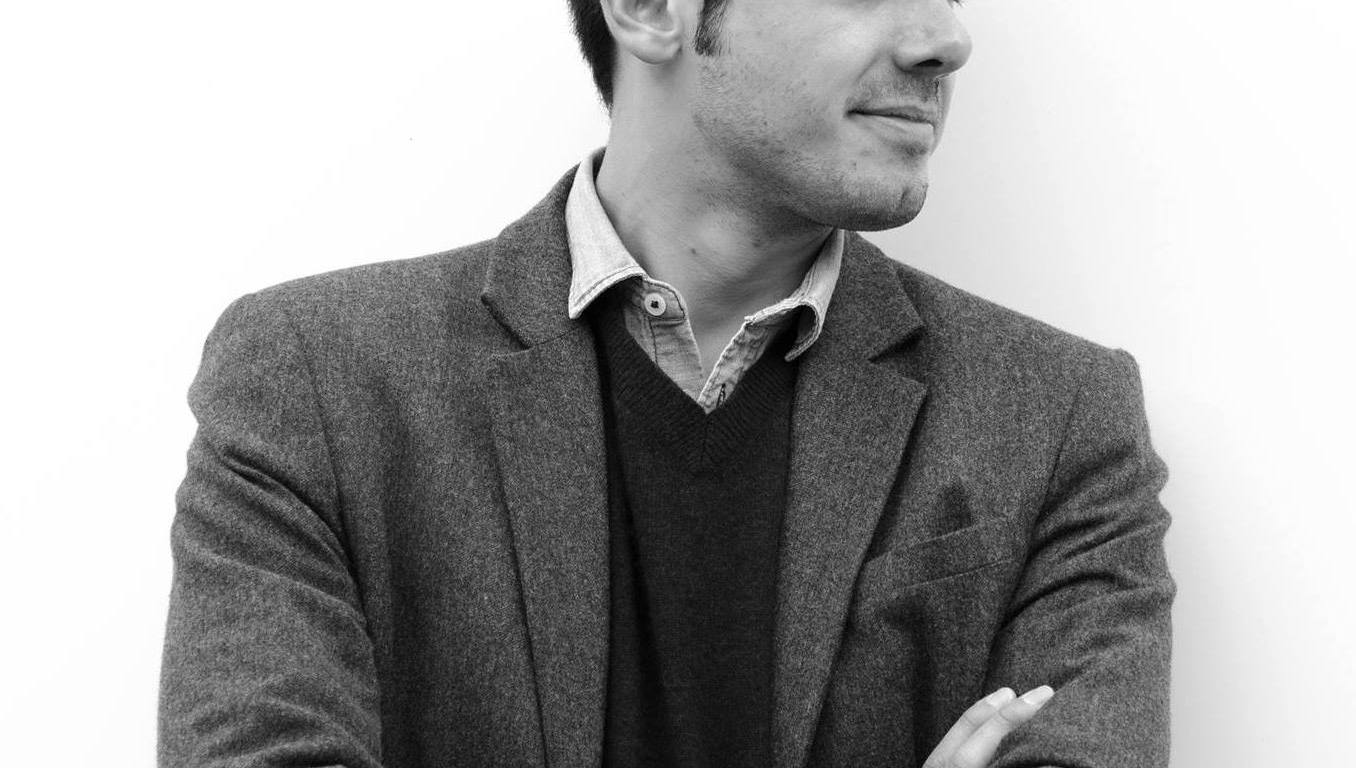
Doug Thomas è un compositore e artista francese di base a Londra. Dalla fondazione di NOOX nel 2014, Doug ha pubblicato numerosi progetti, tra cui Short Stories, Vol. 1 e 2, Angoli e Cassiopea. Per Ballades, ha collaborato con Piano & Coffee Co. e con i pianisti Marta Cascales Alimbau, Manos Milonakis, Marek Votruba e Muriël Bostdorp. The Seasons è un omaggio collaborativo alla musica di Ciajkovskij; comprende dodici pianisti di tutto il mondo – tra cui Simeon Walker, Garreth Broke e Dominique Charpentier – che reinterpretano la visione alternativa di Doug in ciascuno dei momenti dell’anno. Per Grace, ha collaborato con Sonder House e il pianista / violoncellista Jesse Brown. Il suo ultimo progetto, Portraits, è un altro omaggio alle sue ispirazioni – ed è stato pubblicato in collaborazione con Lonely Swallow e Affan.
Come scrittore, Doug pubblica articoli, interviste e recensioni ed è un collaboratore di Interlude come autore ospite di The Cross-Eyed Pianist e ArtMuseLondon.
“La musica mi permette di esprimere idee e sentimenti in un modo unico. Ogni pezzo è un tentativo di trovare un equilibrio tra interesse e bellezza, entro i limiti del linguaggio e dell’esperienza. Mi piace l’idea che la musica possa fornirci un’alternativa alla nostra vita quotidiana, sia che la completi, sia che ci aiuti a prendere una certa distanza da essa.”
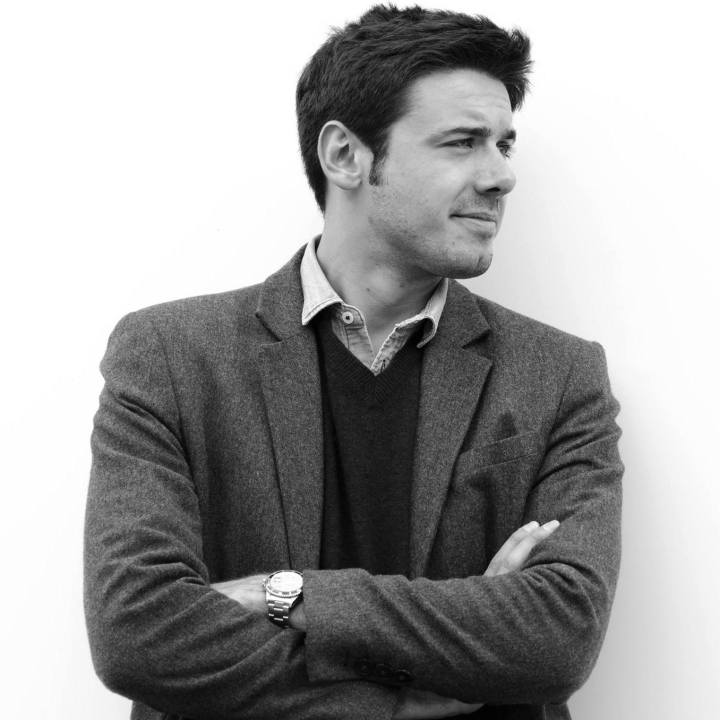
Benvenuto Doug e grazie per questa intervista.
1. Quando hai iniziato a comporre – e cosa o chi sono state le tue prime passioni e influenze?
Credo di aver iniziato a sentirmi un compositore quando ho terminato i miei studi musicali nel 2015. La scintilla iniziale è stata la musica di Max Richter; scoprire il suo lavoro mi ha fatto capire che c’era un ponte tra la musica popolare – che avevo studiato – e la musica classica – che invece non avevo affrontato. E questo ponte era dove volevo essere e crescere.
2. A livello personale quali consideri come momenti incisivi nel tuo lavoro e / o nella tua carriera?
Il vero traguardo sembra essere il giorno in cui ho capito come volevo avvicinarmi alla musica. Ho studiato performance ma per qualche motivo non mi sono mai sentito a mio agio con esso. Anche se mi piace esibirmi, mi sento più a mio agio dietro le quinte. La composizione è davvero ciò che mi piace di più, e all’inizio non era così ovvio. Sono molto più a mio agio, e produttivo, a lavorare da solo.
3. Puoi dirci qualcosa sulla tua ultima pubblicazione “Studia”?
Studia è una raccolta di ventiquattro studi contemporanei per pianoforte, divisa in due volumi. Inizialmente ero uno strumento per insegnare a me stesso elementi di composizione ed esecuzione al pianoforte. Ogni pezzo di questo progetto prende elementi compositivi che mi hanno attratto nella musica dei grandi — come raggruppamenti di note dispari, poliritmi, spostamento ritmico, scale pentatoniche, morphing o politonalità — traducendoli poi con il mio linguaggio musicale.
4. Quanto tempo ci è voluto per preparare l’album?
Ho iniziato a scrivere gli études nel 2015, e la maggior parte di essi è stata interamente scritta entro il 2016. Ho quindi lasciato il progetto da parte per concentrarmi su altri progetti, e ogni tanto ho apportato alcune modifiche ad alcuni pezzi. Avevo bisogno di un po’ di tempo per maturare il progetto e decidere dove volevo andare con esso. Nel 2019, il progetto e il suo concept sono stati finalmente completati.
5. Cosa significano per te improvvisazione e composizione e quali sono, per te, i loro rispettivi meriti?
Vedo davvero la musica come una lingua e per me l’improvvisazione equivale a parlare, mentre la composizione alla scrittura. È assolutamente necessario apprendere e sviluppare le competenze in entrambi i campi per aspettarsi di essere fluente nel linguaggio musicale. Quando si tratta di creare un brano musicale, l’improvvisazione – nel senso di suonare lo strumento per trovare idee musicali – e la composizione – in cui potrebbe essere adottato un approccio più teorico – sono mezzi che generano idee.
6. Il ruolo del compositore è sempre stato soggetto a cambiamenti. Qual è la tua opinione sui compiti (ad esempio politici / sociali / creativi) dei compositori di oggi e come cerchi di raggiungere questi obiettivi nel tuo lavoro?
Cerco di stare lontano da ogni tipo di impegno oltre a quello artistico. Anche se capisco perché gli artisti usano il loro lavoro per trasmettere un messaggio, sia esso politico o altro, non mi sento a mio agio a tingere la mia musica con qualcosa che non sia artistico. Al giorno d’oggi ci sono così tanti messaggi e attività legati alla politica, all’economia, alle industrie, all’ambiente che sento che l’arte dovrebbe essere mantenuta in una nicchia sacra. Dopotutto è anche un mezzo per scappare …
7. Che attrezzatura usi per comporre la tua musica?
Un paio di anni fa, ho cambiato il mio approccio alla creatività. Mentre facevo affidamento sullo strumento per comporre, ora tocco appena uno strumento durante la creazione di un brano musicale: il mio strumento principale è il laptop. In realtà, gran parte del mio lavoro compositivo sono parole puramente scritte. Cerco e analizzo, quindi creo idee e strutture, e solo una volta che ho un’idea chiara dell’intera architettura del progetto, inizio a scrivere note reali. È un approccio molto matematico e intellettuale e penso si rifletta nei brani che scrivo. Cerco di renderli molto semplici, ma nella loro natura e nel modo in cui si relazionano tra loro c’è in realtà molta complessità.
8. Come pensi che le composizioni contemporanee possano attirare l’attenzione di un pubblico più ampio?
Con ciò che ho definito indie classica — https: //interlude.hk/on-indie-classical/—, penso che stiamo andando verso una direzione in cui la musica classica non è vista come elitaria e intellettuale ma più di una musica popolare finalizzata ad un pubblico molto vasto. Ci sono molti musicisti, incluso me stesso, che provengono da un background ricco come la musica classica, jazz e popolare combinata e che contemplano la creazione di musica che è il risultato di queste influenze.
9. Potresti dirci qualcosa sui tuoi progetti futuri?
Ce ne sono così tanti! In poche parole, ci saranno un Portraits 2 e uno Studia 2, nonché alcune collaborazioni sorprendenti, e c’è anche un libro in arrivo…
10. Dove possono trovare maggiori informazioni su di te i nostri lettori?
Innanzitutto sul mio sito web: http://www.dougthomas.co.uk; c’è di tutto, dai progetti che ho pubblicato, con molte informazioni a riguardo, agli articoli, interviste e recensioni che ho scritto, così come i miei tentativi di dilettanti di fotografia e arte visiva. Sono anche su tutti i social media (Facebook, Twitter, Instagram, Soundcloud e YouTube) e Spotify!
/// ENGLISH VERSION ///
- When did you start composing – and what or who were your early passions and influences?
I believe I have considered myself a composer when I finished my musical studies in 2015. The initial spark was the music of Max Richter; discovering his work made me realise that there was a bridge between popular music—which I had studied—and classical music—which I had not. And this bridge was were I wanted to be and grow.
- What do you personally consider to be incisive moments in your work and/or career?
The real milestone seems to be the day I realised how I wanted to approach music. I studied music performance but for some reason never felt comfortable with it. Although I enjoy performing, I feel the most at ease behind the curtains. Composing is really what I enjoy the most, and it was not so obvious at first. I am much more comfortable—and productive—working on my own.
- Can you tell us something about your last release “Studia”?
Studia is a collection of twenty-four contemporary études for piano, divided in two volumes. I was initially a tool to teach myself piano composition and performance. Each piece of this project takes compositional elements that have attracted me in the music of the greats——such as odd notes groupings, polyrhythms, rhythmic displacement, pentatonic scales, morphing or polytonality—and translates them with my own musical language.
- How long did it take to prepare the album?
I started the writing of the études in 2015, and most of them were fully written by 2016. I then left the project on the side to focus on others, and made some modifications to some the pieces every once in a while. I needed a bit of time to mature the project and decide were I wanted to go with it. In 2019, the project and its concept were finally completed.
- What do improvisation and composition mean to you and what, to you, are their respective merits?
I really see music as a language and to me improvisation is equal to speaking, while composition to writing. It is absolutely necessary to learn and develop skills in both in order to expect being fluent in the musical language. When it comes to creating a piece of music, improvisation—in the sense of playing the instrument in order to find musical ideas—and composition—where a more theoretical approach might be taken—are mediums that generate ideas.
- The role of the composer has always been subject to change. What’s your view on the (e.g. political/social/creative) tasks of composers today and how do you try to meet these goals in your work?
I try to stay away from any sort of engagement aside from the artistic one. Although I understand why artists would use their work to convey a message—whether it is politic or anything else—I do not feel comfortable tinting my music with anything that is not artistic. There are so many messages and activities related to politics, economy, industries, environment nowadays that I feel like art should be kept in a sacred niche. It is after all also a medium to escape…
- What equipment do you use to compose your music?
A couple of years ago, I changed my approach to creativity. While I used to rely on the instrument to compose, I now barely touch an instrument when creating a piece of music—my main instrument is the laptop. Actually, a lot of my compositional work is purely written words. I research and analyse, then map out ideas and structures, and only once I have a clear idea of the whole architecture of the project I start writing actual notes. It is a very mathematical and intellectual approach and I think it reflects in the pieces I write. I try to make them very simple, but in their nature and the way they relate to each others there is actually a lot of complexity.
- How, do you feel, could contemporary compositions reach the attention of a wider audience?
With what I have defined as indie classical—https://interlude.hk/on-indie-classical/—, I think we are going towards a direction where classical music is not seen as elitist and intellectual but more of a popular music aimed at a very wide audience. There are a lot of musicians—including myself—that come from a background that is as rich as classical, jazz and popular music combined and that contemplate creating music that is the result of these influences.
- Could you tell us something about your future projects?
There are so many! In a few words, there will be a Portraits 2 and a Studia 2, as well as a few surprising collaborations, and there is also a book on the way…
- Where can our readers find more information about you?
First and foremost on my website—www.dougthomas.co.uk; there is everything from the projects I have released—with plenty of information about them—to the articles, interviews and reviews I have written, as well as my amateurs attempts at photography and visual art. I am also on all social media—Facebook, Twitter, Instagram, Soundcloud and YouTube—as well as Spotify!
Links utili per ascoltare “Studia”:
Spotify ► https://spoti.fi/2IPFShr
iTunes ► https://apple.co/2Bb5u44
Google Play ► http://bit.ly/2VEMW5t
 THE MUSICWAY MAGAZINE